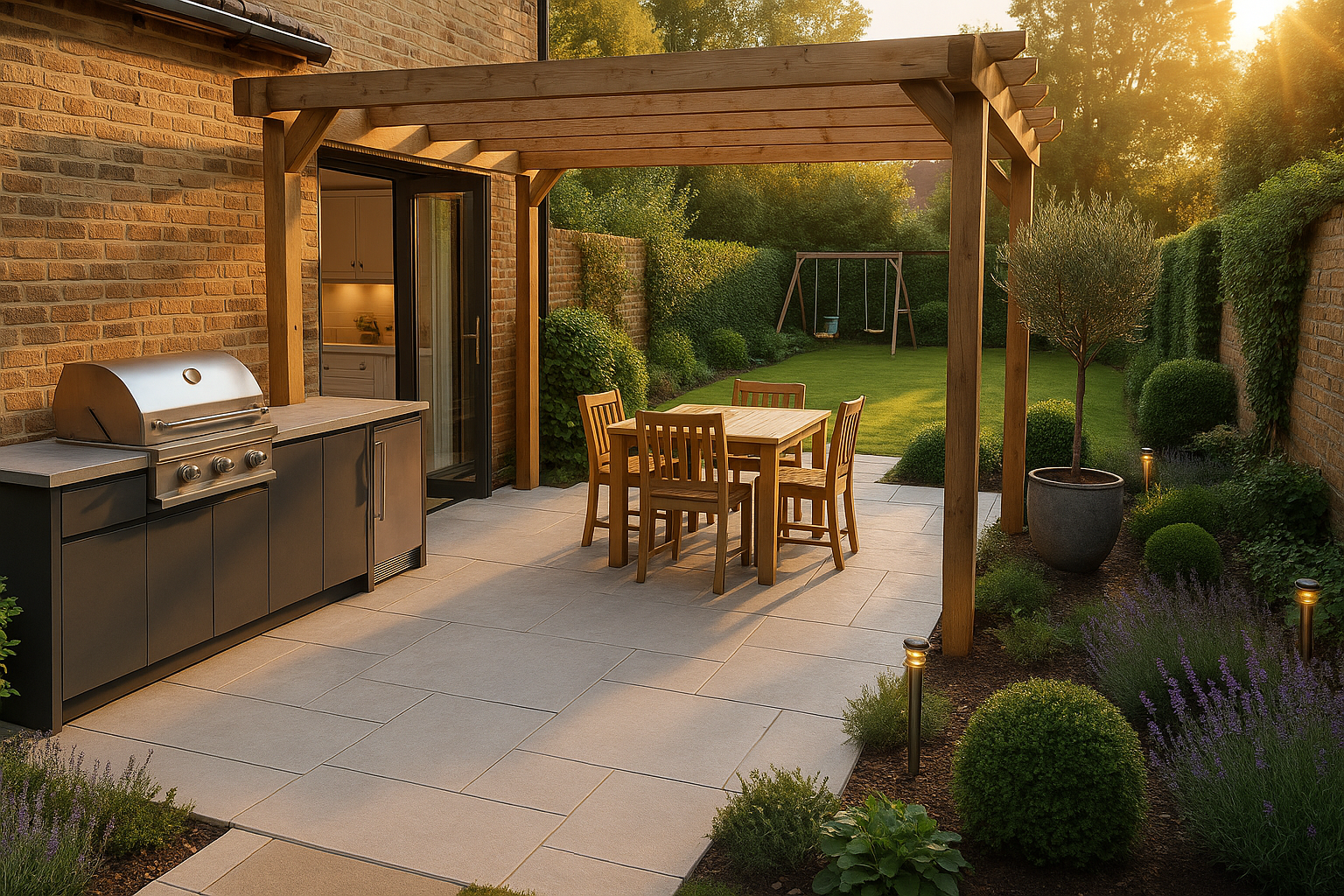
When designing an outdoor kitchen, one of the most important decisions you will make is its placement within your garden. While style and materials matter, the location you choose can greatly affect how functional, comfortable, and enjoyable the space will be throughout the year.
In the UK, where weather conditions can be unpredictable and gardens come in many shapes and sizes, finding the ideal spot for your outdoor kitchen requires careful planning. This article explores the best factors to consider when choosing the right location, helping you avoid common mistakes and get the most out of your investment.
Why Location Matters in Outdoor Kitchen Design
The placement of your outdoor kitchen determines how well it integrates with the rest of your home and garden. A poor location may lead to inconvenience, exposure to the elements, or lack of accessibility to essential utilities. On the other hand, a well-planned spot will offer easy movement, protection from weather, and a natural flow between indoor and outdoor living spaces.
The goal is to choose a location that balances beauty and practicality while enhancing your overall outdoor experience.
Proximity to the House
One of the first things to consider is how close your outdoor kitchen should be to your home. In most cases, placing it within a few metres of the back door is ideal. This makes it easy to move food, drinks, and utensils between the indoor kitchen and the outdoor one without walking across the entire garden.
A location close to the house also allows for easier access to gas, water, and electricity. This reduces installation costs and simplifies maintenance. Additionally, staying near the home provides more shelter from wind or rain, which is especially important during unpredictable UK weather.
Access to Sunlight and Shade
Pay attention to how the sun moves across your garden throughout the day. In a sunny spot, you can enjoy natural warmth and lighting, which enhances the comfort and ambience of your outdoor kitchen. However, constant direct sunlight can make the cooking area too hot or uncomfortable, especially during summer.
Look for a balanced location that receives gentle sunlight in the morning or early afternoon, and some shade during peak hours. If your chosen area lacks shade, consider adding a pergola, awning, or umbrella to keep things cool.
In gardens with a north-facing orientation, locate the kitchen where it gets the most exposure during midday. For south-facing gardens, some form of shading may be necessary to prevent overheating.
Shelter from Wind and Rain
UK gardens are often exposed to gusty winds and heavy rain, which can interfere with cooking and make outdoor gatherings less enjoyable. Position your outdoor kitchen in a spot that benefits from natural shelter such as a garden wall, hedge, or fence.
Wind protection is especially important when using gas grills or pizza ovens, as strong gusts can affect flame control and heat distribution. Shelter also reduces the amount of rainwater reaching the cooking area, helping protect surfaces and appliances over time.
If your garden is particularly open or on higher ground, you may want to install a purpose-built roof structure or enclosed pergola to provide year-round protection.
Drainage and Ground Conditions
Outdoor kitchens should always be built on stable, level ground with proper drainage. Avoid low-lying areas of your garden where water collects after rain, as this can lead to moisture damage, surface staining, or even structural issues over time.
The ideal location is one with firm ground and a gentle slope that allows water to run off naturally. Installing your kitchen on a solid paving base such as porcelain tiles or stone slabs will ensure durability and cleanliness. Good drainage is essential for both hygiene and longevity.
Connection to Dining and Social Areas
A successful outdoor kitchen is about more than cooking. It should also support dining, entertaining, and relaxing with family and friends. The kitchen area should be placed adjacent to or near your outdoor dining table or seating area, allowing easy flow between food preparation and mealtime.
Try to create an open layout where the cook is not isolated from guests. Positioning your kitchen with a clear line of sight to the dining space encourages social interaction and makes serving food more convenient.
Using the same paving material between the kitchen and the seating zone also creates a unified and visually cohesive look.
Utility Access: Gas, Water, and Electric
If your outdoor kitchen will include appliances such as a sink, fridge, or lighting, it is important to choose a location that allows easy access to utilities. Running water pipes, gas lines, or electrical wiring across a long distance can add considerable cost to the project.
Choose a spot that is close to existing utility access points from your home. Not only does this simplify installation, but it also reduces disruption to your garden. If you’re building a more advanced kitchen with lighting, sockets, or heaters, placing it near the house also ensures safer and more efficient connections.
Privacy and Views
Take a moment to think about how visible your outdoor kitchen will be from the house, from the street, or from neighbouring properties. You may want to create a space that feels private and secluded, especially if you plan to entertain guests often.
Look for spots in your garden that feel more enclosed or shielded, or consider adding fencing, trellises, or plants to create a sense of privacy. At the same time, think about what views you and your guests will enjoy while using the space. Orient the kitchen toward attractive areas such as a flower bed, pond, or lawn rather than facing a wall or shed.
This adds to the atmosphere and makes the kitchen feel like a central feature of the garden.
Design Cohesion and Flow
A well-located outdoor kitchen should feel like a natural part of your garden layout. Consider how the space connects with paths, patios, lawn areas, and other zones. Good design creates a smooth transition from the house to the garden, allowing guests to flow from one area to the next with ease.
Avoid placing the kitchen in an isolated corner unless the rest of your garden is designed to draw attention to it. Positioning the kitchen along the edge of a patio or under an existing pergola often works best for both form and function.
Choose a Location That Matches How You Live
The best location for an outdoor kitchen is one that reflects your lifestyle, garden layout, and year-round needs. Whether you want a quick-access kitchen next to the back door or a social hub in the centre of the garden, take time to evaluate factors like sun, shelter, utility access, and flow.
A thoughtfully chosen location will improve the comfort, usability, and value of your outdoor kitchen for years to come — rain or shine.
Need help choosing the perfect spot for your outdoor kitchen?
Essex Elite Paving specialises in designing and installing weatherproof, fully functional garden kitchens that are placed for maximum beauty and convenience. Our experts help you select the best location based on your layout and lifestyle.