Sustainable & Eco-Friendly Driveway Solutions for Modern Homes

Driveways are often overlooked when homeowners think about sustainability. Attention usually goes to insulation, windows, or energy-efficient heating, while hard landscaping is treated as purely functional. In reality, driveway design has a significant impact on drainage, local flooding, heat retention, and environmental footprint.

Traditional driveway solutions can contribute to surface water runoff, blocked drains, and unnecessary environmental strain. As regulations tighten and homeowners become more environmentally conscious, sustainable and eco-friendly driveway solutions are no longer a niche option — they are a practical, future-proof choice.

At Essex Elite Paving, sustainable driveway design focuses on balancing performance, durability, and environmental responsibility without compromising on appearance or value.

What Makes a Driveway Sustainable?

A sustainable driveway is not defined by a single material. It is the result of thoughtful design choices that reduce environmental impact while improving long-term performance. Key considerations include how water drains, how materials are sourced, how long the driveway lasts, and how much maintenance it requires.

Eco-friendly driveway solutions aim to manage surface water naturally, reduce heat build-up, and minimise the need for replacement or repair. Longevity is an important part of sustainability; a driveway that lasts decades with minimal intervention is far more environmentally responsible than one that needs frequent resurfacing.

1. Permeable Driveways and Natural Drainage

One of the most effective ways to improve driveway sustainability is through permeable design. Permeable driveways allow rainwater to drain through the surface and into the ground below, rather than running off into drains and sewers.

This approach reduces flood risk, prevents standing water, and supports natural groundwater recharge. It also helps homeowners comply with UK drainage regulations, which increasingly require front driveways to manage water on-site.

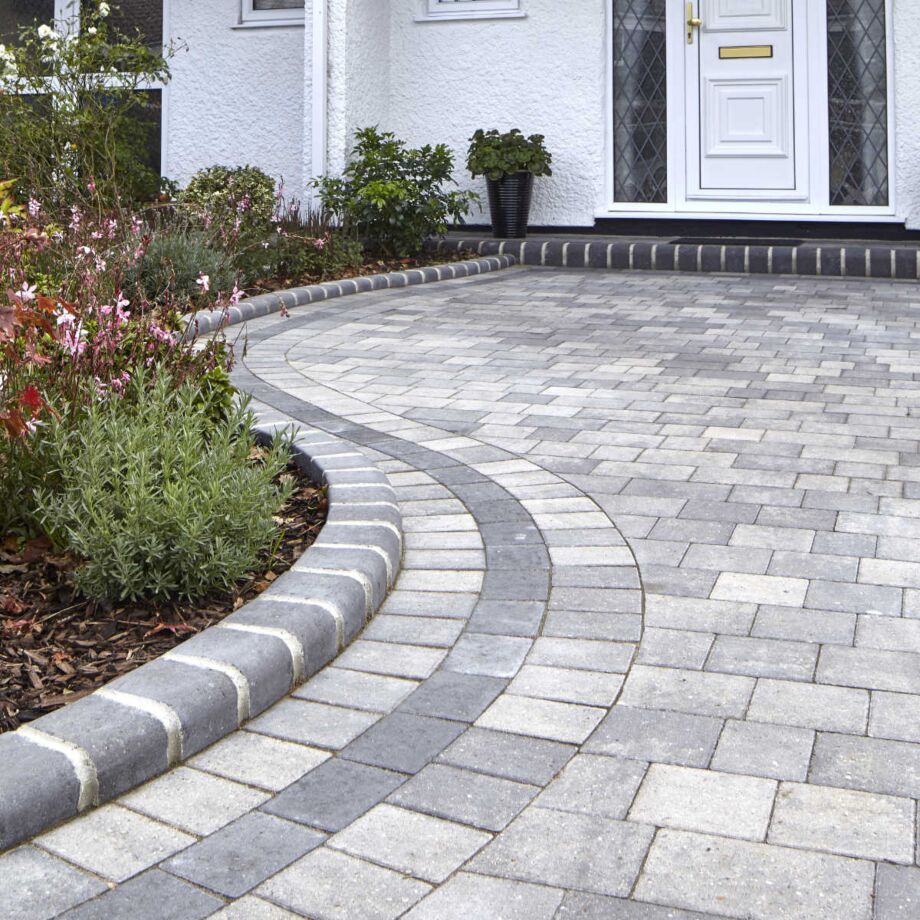
Permeable block paving, resin bound surfaces, and reinforced gravel systems are all popular options. When installed correctly, these solutions perform just as well as traditional driveways while offering significant environmental benefits.

2. Resin Bound Driveways as an Eco-Friendly Option

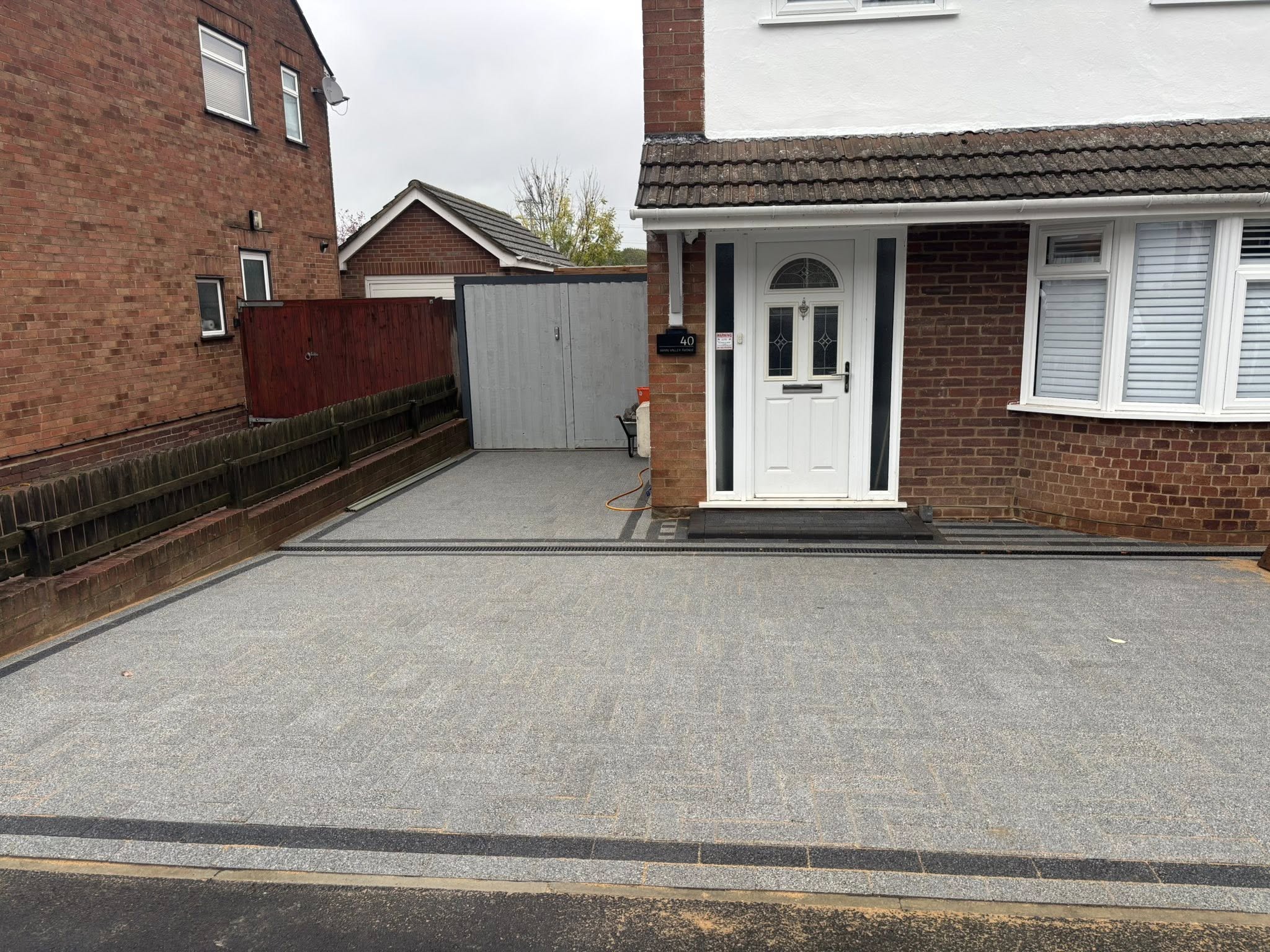
Resin bound driveways are increasingly chosen for their smooth finish, permeability, and low maintenance requirements. Unlike non-permeable resin systems, resin bound surfaces allow water to pass through freely, making them a sustainable alternative to traditional paving.

From an environmental perspective, resin bound driveways reduce surface runoff and require less ongoing maintenance, which lowers the use of cleaning chemicals and repairs over time. Their durability also means fewer replacements, contributing to a smaller long-term environmental footprint.

In addition, resin bound driveways offer a modern, clean appearance that suits both contemporary and traditional properties, making sustainability an attractive design choice rather than a compromise.

3. Gravel Driveways with Modern Reinforcement Systems

Gravel has long been considered one of the most eco-friendly driveway materials due to its natural permeability. However, traditional gravel driveways can suffer from movement, rutting, and ongoing maintenance.

Modern gravel stabilisation systems solve these issues by using reinforced grids beneath the surface. These systems maintain permeability while creating a stable, durable driveway that performs well under vehicle use.

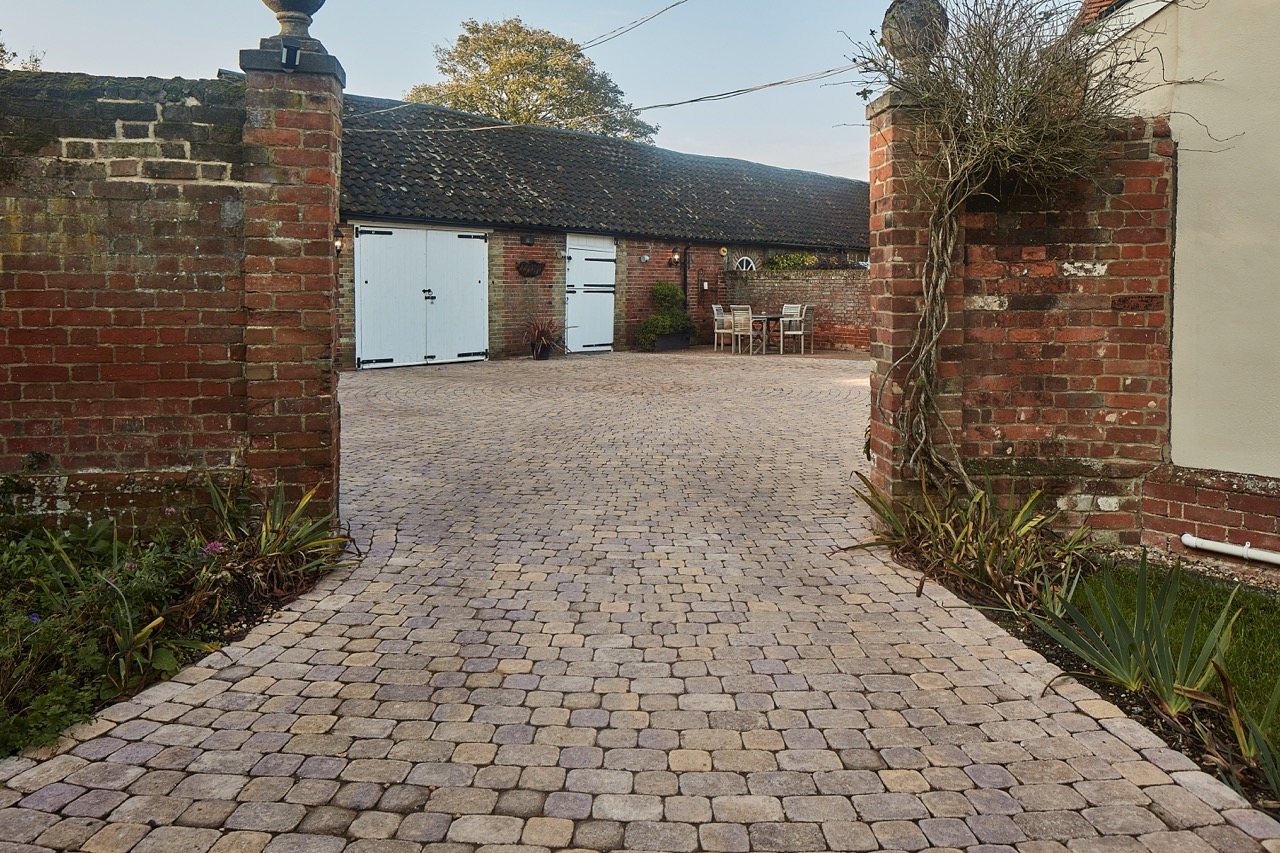
From a sustainability perspective, reinforced gravel driveways use natural materials, require minimal processing, and integrate seamlessly with surrounding landscapes. They are particularly well-suited to rural or period properties while still meeting modern performance expectations.

4. Using Durable Materials to Reduce Environmental Impact

Sustainability is closely linked to durability. A driveway that needs replacing every few years consumes more resources than one designed to last decades. Professional driveway design prioritises materials that withstand weather conditions, traffic load, and long-term use.

High-quality block paving, permeable concrete systems, and properly installed sub-bases all contribute to longevity. While the upfront cost may be higher, the reduced need for repairs and replacements makes these options more environmentally responsible over time.

Designing for durability also reduces disruption, waste, and carbon emissions associated with repeated construction work.

Long-Term Cost and Environmental Benefits

Eco-friendly driveway solutions often deliver long-term financial benefits alongside environmental advantages. Reduced drainage issues, lower maintenance requirements, and extended lifespan all contribute to lower ownership costs over time.

A sustainable driveway is also more adaptable to future regulations and environmental standards. As planning requirements continue to evolve, having a compliant, environmentally responsible driveway reduces the risk of costly modifications later.

For homeowners, this means peace of mind, improved property value, and a driveway that aligns with modern expectations of responsible design.

Ready to Upgrade to a Sustainable Driveway?

A driveway should do more than provide parking — it should manage water responsibly, last for years, and enhance the appearance of your home without harming the environment.

If you’re considering a new driveway or replacing an existing one, choosing an eco-friendly solution can reduce drainage issues, lower maintenance costs, and future-proof your property against changing regulations.

At Essex Elite Paving, we design and install sustainable driveway solutions that balance performance, durability, and environmental responsibility — without compromising on style.

Get in touch today to discuss your driveway project and discover how an eco-friendly design can add long-term value to your home.

👉 Book a consultation and start your driveway the right way.
Outdoor Transformation: From Unused Ground to a Defined, Functional Outdoor Space in Essex

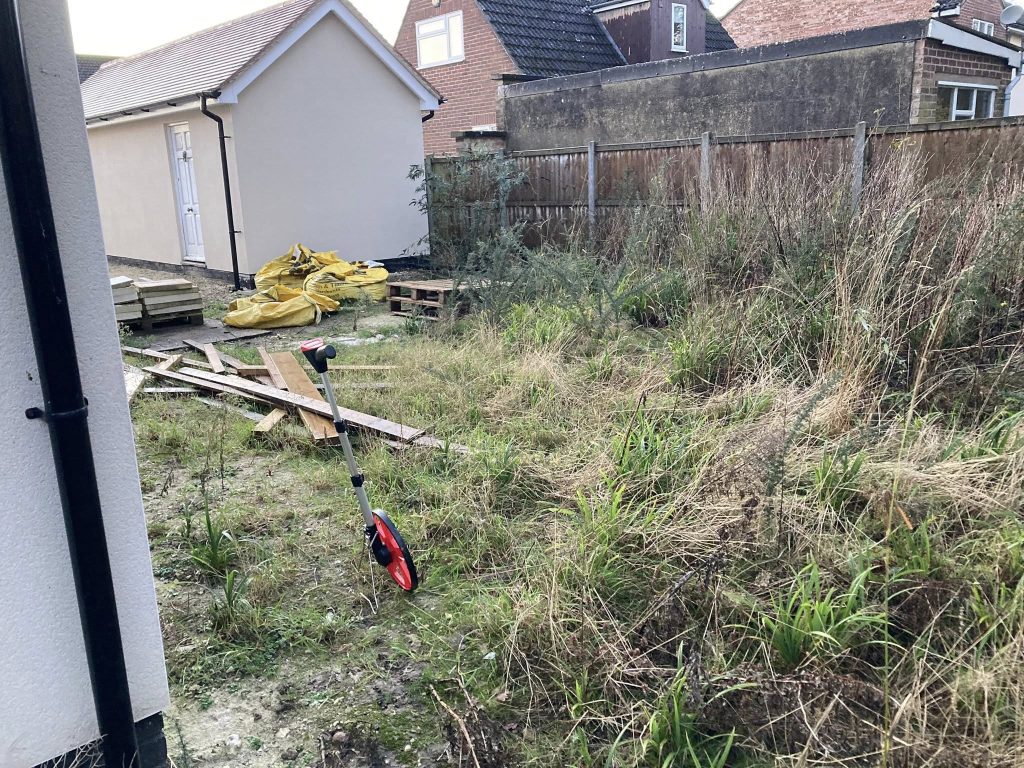
The starting point for this project was a typical but challenging scenario. An underused area of rough ground with poor structure, uneven levels, and no clear purpose. The space felt disconnected from the house, visually untidy, and impractical. Overgrown vegetation, exposed soil, and leftover materials made it difficult to imagine how the area could be used effectively.
This is a situation we see regularly across Essex. Gardens that have space but no structure. Areas that exist, but do not function.

The transformation was not about simply paving over the problem. It was about creating a layout that worked with the property, improved usability, and introduced a sense of order and balance.

Establishing Levels and Structure

The first and most important change was addressing levels and ground preparation. Before any visible improvement could happen, the ground needed to be stabilised and shaped properly. Poor levels not only affect how a space looks, they determine drainage, longevity, and comfort underfoot.

Once the groundwork was corrected, the space immediately felt more intentional. The new layout clearly defines walking routes, seating areas, and circulation space. This is where many projects succeed or fail. Without correct levels, even the best materials will never sit comfortably.

A Clear Layout With Purpose

One of the strongest improvements in the finished space is clarity. The new design introduces clear zones rather than one undefined area.

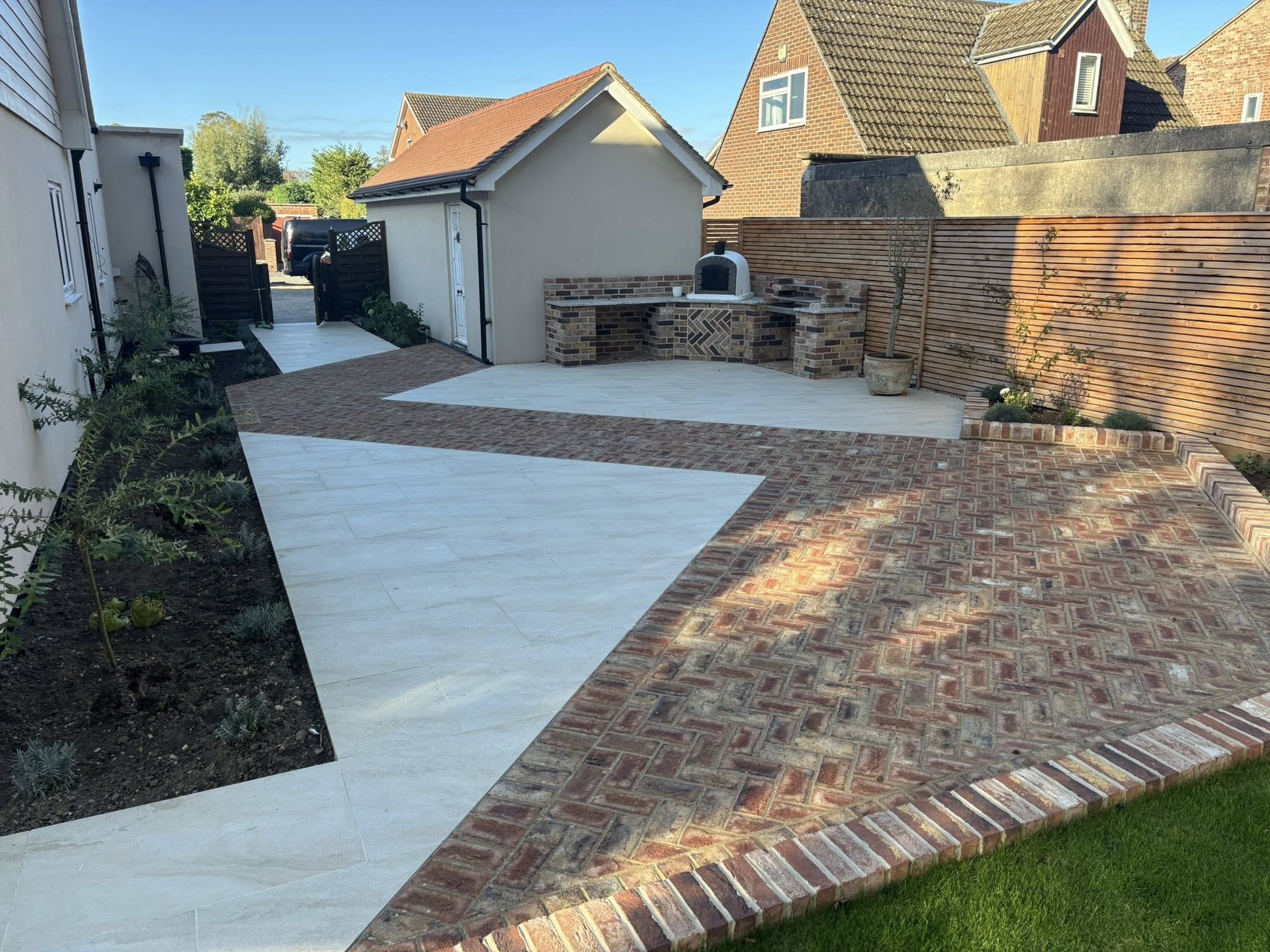
The lighter paving creates clean, open walkways that guide movement naturally through the garden. These paths feel generous without being excessive and provide a strong visual contrast to the surrounding surfaces.

The brick paving introduces warmth and texture, grounding the space and tying it visually to the existing buildings. This choice avoids the flat, sterile look that can occur when a single material is used everywhere.

Together, these surfaces create rhythm and direction, which was completely absent in the original space.

Integrating Built Features Naturally

The outdoor kitchen and seating area have been positioned to feel like part of the garden, not something added on afterwards. The brickwork complements the paving and surrounding structures, while the layout encourages the space to be used rather than admired from a distance.

Importantly, this feature does not dominate the garden. It sits comfortably within the space, leaving room for planting and movement. That balance is essential if an outdoor area is going to be practical year round rather than only on occasion.

Softening the Space With Planting

Planting has been used carefully to soften edges and introduce life without cluttering the layout. The beds alongside the paved areas break up the hard landscaping and will continue to improve as the plants establish.

This approach is deliberate. Hard landscaping provides structure, but planting provides maturity over time. The finished garden will look better in two years than it does today, which is always a sign of a well considered design.

A Practical, Long Term Result

What this transformation demonstrates is the value of planning and restraint. The improvement is not about excess materials or unnecessary features. It is about proportion, alignment, and function.

The space is now usable in all seasons. It is easy to maintain, comfortable to walk through, and visually connected to the house. Most importantly, it no longer feels like leftover ground. It feels like part of the home.

This is the difference between simply installing paving and properly designing an outdoor space.

The Bigger Picture

Transformations like this are rarely about one surface or one feature. They are about understanding how people move through a space, how materials interact, and how gardens evolve over time.

By starting with structure, addressing levels, and designing with purpose, an unused area has been turned into a refined, functional outdoor environment that will continue to improve as it matures.

It is a clear example of how thoughtful landscaping can completely change the way a property feels and functions, without needing to overcomplicate the design.

Considering an Outdoor Transformation of Your Own?

If you have an area of your garden that feels underused, poorly laid out, or disconnected from the house, a structured approach can make a significant difference. Starting with proper assessment and design ensures the finished space works practically and improves over time.

If you are considering an outdoor transformation and would like experienced, straightforward advice, get in touch to arrange a site visit and discuss what is possible for your space.

Contemporary vs Rustic Garden Design in Essex | How to Choose

Contemporary vs Rustic Garden Design in Essex

If you are planning a garden transformation, one of the first decisions is the overall style. Do you prefer a contemporary garden with clean lines and refined materials, or a more natural rustic garden that feels softer, timeless, and connected to the landscape?

In Essex, both can look exceptional. The best choice comes down to four things. Your property. Your setting. Your sunlight and orientation. Most importantly, what you need the garden to do for you.

At Essex Elite Paving, we design and build outdoor spaces that feel considered and high quality, whether that means a crisp porcelain terrace with subtle lighting, or a natural stone patio with layered planting and character features.

What a contemporary garden looks like in practice

A contemporary garden is typically defined by structure and simplicity. Think strong geometry, uncluttered layouts, and materials that feel premium and consistent. It is not “cold” when it is designed properly. It is calm, elegant, and easy to live with.

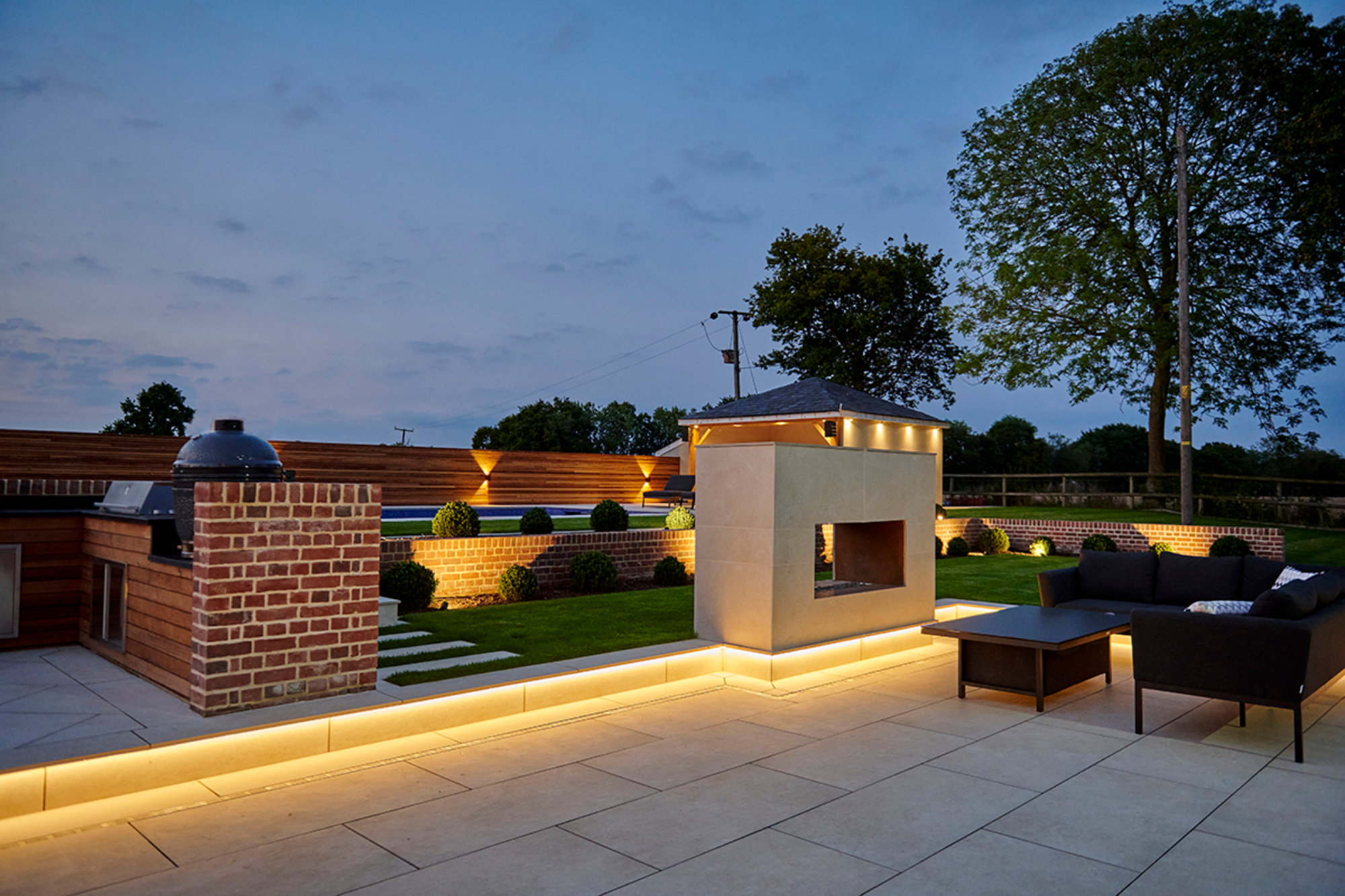
Contemporary gardens in Essex often include porcelain paving, large format paving, crisp edges, clean transitions between zones, and a deliberate planting scheme that feels architectural rather than busy. Many clients also choose integrated lighting, raised planters, and screening that creates privacy without blocking light.

This style works especially well if you want a garden that stays sharp with minimal upkeep, or if you enjoy entertaining and want the outside to feel like a true extension of the home.

What a rustic or natural garden really means

Rustic does not mean messy. In high quality garden design, rustic is about warmth, texture, and a more relaxed feel that still has strong structure underneath.

A natural or rustic garden often uses natural stone paving, gravel paths, softer edges, layered borders, and planting that changes beautifully through the seasons. It can feel established and timeless, especially when paired with traditional materials or a property with character.

This style can be perfect for clients who want their garden to feel inviting, more organic, and less “designed on a ruler”, while still being well planned and easy to use.

Start with your property style

The quickest way to narrow your choice is to look at the architecture.

If your home is modern, contemporary garden design usually feels seamless. Clean lines outside match clean lines inside. A porcelain patio, modern steps, and a structured layout can elevate the entire property.

If your home is more traditional, rustic or natural finishes often feel more “right”. Natural stone, gravel, and softer planting can complement brickwork, period features, and mature surroundings.

That said, the most premium gardens are often a blend. A contemporary terrace close to the house for dining and entertaining, then softer planting and more natural textures further into the garden. The result feels bespoke, not forced.

Consider the setting in Essex

Essex has a mix of leafy residential streets, countryside edges, coastal influences, and modern developments. Your wider setting matters because it changes what looks natural.

In a mature, green setting, a fully ultra modern garden can look out of place unless it is handled with restraint. In those cases, natural stone, softer planting, and warmer textures often sit beautifully.

In a newer development or a more architectural setting, contemporary materials can look stunning and elevate the space, especially when paired with privacy screening and subtle lighting.

Orientation and sunlight can make or break the design

Most people choose a style based on photos. High end results come from choosing a style that works with your light.

If your garden gets strong sun, contemporary design can be brilliant because you can define entertaining zones, plan shade, and choose surfaces that are comfortable. A south or west facing terrace often benefits from pergolas, sail shades, or clever zoning so you are not forced to sit in full heat all day.

If your garden is shaded, rustic and natural styles can look incredible. Shade planting can be lush and layered, and textured materials like gravel and natural stone can feel softer than large bright porcelain. Lighting becomes more important in shaded gardens, because it adds depth in the evenings and makes the space feel premium year round.

Orientation should influence where you place seating, how you handle privacy, and which materials and planting palettes you choose.

The most important factor is what you need the garden for

A garden can be beautiful and still feel wrong if it does not fit your lifestyle. Before choosing contemporary or rustic, decide how you want to use the space.

  1. Entertaining and outdoor dining
    If you host friends and family, you need a practical entertaining terrace, strong access from the house, good lighting, and a layout that flows. Contemporary often wins here, but rustic can be just as high end when executed with quality natural stone and thoughtful planting.

  2. Family use and durability
    If children or pets will use the garden daily, you need safe levels, durable surfaces, and clear zones that stand up to real life. Contemporary layouts often feel practical because zones are defined and easier to maintain. Rustic layouts can work beautifully too, but the structure and drainage must be right so the garden does not become muddy or worn.

  3. Low maintenance and year round presentation
    If you want the garden to look consistently smart without constant upkeep, contemporary gardens often suit because the structure does the visual work. Natural gardens can still be low maintenance, but it depends on planting choices and maintenance expectations.

  4. Privacy and relaxation
    Both styles can create privacy. Contemporary tends to use clean screening and structured zoning. Rustic tends to use layered planting and softer boundaries. The “best” approach depends on neighbours, sight lines, and how you want the garden to feel.

Materials often decide the style

In Essex, paving choices often sit at the heart of this decision.

Porcelain paving is typically associated with contemporary gardens because it offers a refined, consistent finish and can be lower maintenance when installed correctly.

Natural stone is often associated with rustic and timeless gardens because it brings variation, warmth, and character, and it ages beautifully when the design is right.

There is no universal best material. The best choice is the one that suits the property, the setting, and how you want to use the space.

A premium tip: design first, then build

If you want a high end finish, planning and design are where you protect your investment. A clear design avoids expensive mistakes like placing the terrace in the wrong location, choosing materials that do not suit the light, or underestimating drainage.

Essex Elite Paving offers garden design that helps you visualise the layout and choose materials with confidence before installation begins.

Areas we cover

Essex, including Braintree, Chelmsford, Colchester, Halstead, Witham, and surrounding areas.

FAQ

Can I mix contemporary and rustic styles

Yes. A blended design is often the most timeless. Many clients choose a refined contemporary terrace close to the house, then softer planting and natural textures further into the garden.

Which style adds more value to a property

Both can add significant value when the layout, materials, levels, and finishing are high quality. The best value comes from a garden that suits the property and feels easy to use.

Is porcelain paving always contemporary

Most of the time, yes, but it can be softened with planting, warm tones, and more natural detailing. The overall layout matters as much as the paving choice.

Does rustic mean high maintenance

Not necessarily. A well designed natural garden can be very manageable with the right planting choices and clean structure underneath.

What is the first step to choosing the right style

A site visit and a clear conversation about how you want to use the space. Once function is clear, style becomes much easier to decide.

If you are deciding between contemporary and rustic garden design in Essex, Essex Elite Paving can help you choose a direction that suits your home, your setting, and how you want to live in the space.

Get in touch to book a consultation and receive a clear plan and quote.

Garden design in Essex (Essex Elite Paving)
Patios in Essex (Essex Elite Paving)
View our gallery (Essex Elite Paving)
Our awards (Essex Elite Paving)
Contact Essex Elite Paving (Essex Elite Paving)

Contemporary garden design in Essex with porcelain patio and clean edging
Rustic garden patio in Essex with natural stone paving and soft planting
Premium garden makeover in Essex with zoned seating and lighting
Garden landscaping in Essex with raised planters and privacy screening
Patio installation in Essex with high quality paving and tidy jointing

Combining Driveways and Front Garden Landscaping for Maximum Kerb Appeal in Essex

Kerb appeal is not created by a single feature. It is the result of how every element at the front of a property works together. In Essex, where homes range from period properties and bungalows to modern developments and rural houses, the most successful front gardens are those where the driveway and landscaping are planned as one cohesive space.

Too often, driveways are installed first and gardens are treated as an afterthought. The result is a front garden that feels fragmented. Hard surfaces dominate, planting looks squeezed in, and the overall appearance lacks balance. When done properly, combining driveways and front garden landscaping creates a structured, welcoming entrance that adds long term value and day to day enjoyment.

Understanding balance and proportion

One of the most common mistakes in front garden design is a lack of balance. A wide driveway with no visual relief can make a property feel stark, while too much planting around a narrow drive can make access awkward.

Experienced designers look at the frontage as a whole. They assess the width of the plot, the scale of the house, and how vehicles enter and exit the site. From there, they determine how much space the driveway genuinely needs and how the remaining area can be landscaped to complement it.

In Essex, where off street parking is often a priority, this balance is especially important. The goal is to provide practical parking while maintaining a sense of greenery and structure.

Materials that work together

When combining driveways and front garden landscaping, material choice plays a critical role. Hard and soft elements should complement each other rather than compete for attention.

A resin bound or block paved driveway, for example, pairs well with natural stone edging and planted borders. Tarmac driveways benefit from strong edges and structured planting to prevent them from feeling too utilitarian. Gravel driveways work best when combined with planting that helps contain movement and reduce migration.

The key is consistency. Repeating materials or colours between the driveway, paths, and garden features creates visual continuity. This is particularly effective when the same stone or edging detail is used to separate the driveway from planting areas.

Planting that enhances

Planting in a front garden has a different role to planting in a rear garden. It should enhance kerb appeal, soften hard lines, and provide seasonal interest without obstructing access or sightlines.

Low shrubs, ornamental grasses, and structured evergreen plants work well alongside driveways because they provide form without excessive spread. Taller planting is best positioned away from vehicle access points and closer to boundaries or the house itself.

Combining driveways and front garden planting also improves the visual rhythm of the space. A driveway that gently curves past planted borders feels more intentional than one that cuts straight through a lawn.

Managing drainage and levels

Drainage is one of the most important technical considerations when combining driveways and front garden landscaping. Poorly planned surfaces can direct water towards the house or wash soil from planting beds onto the driveway.

Professional designers assess levels carefully. They ensure water drains away from buildings and into appropriate areas, often using planting beds as part of the solution. Permeable driveway surfaces, combined with well designed borders, allow water to soak into the ground rather than run off.

This integrated approach protects both the driveway and the garden over time and reduces maintenance issues.

Clear edges create order

One of the simplest ways to successfully combine driveways and front garden landscaping is through clear edge detailing. Defined edges keep materials where they belong and help the eye understand the layout of the space.

Edging materials such as stone setts, block edging, or subtle kerbs provide a clean transition between driveway and planting. This prevents gravel spread, protects plants from vehicle damage, and gives the frontage a finished appearance.

From experience, front gardens with strong edge definition always look more considered and age better than those without.

The Essex Elite Landscaping Approach

At Essex Elite Landscaping, driveway projects are never treated as standalone installations. Every scheme begins with an understanding of how the driveway, front garden, and wider landscape should function together.

Our approach focuses on proportion, material compatibility, and long term performance. Driveways are designed to meet practical needs without dominating the frontage. Planting is selected to enhance structure, manage water, and soften hard surfaces. Edging and detailing are planned to ensure durability and visual clarity.

This integrated method ensures that combining driveways and front garden design results in a cohesive, attractive space rather than a collection of disconnected elements.

By considering layout, materials, planting, and edges as part of a single design, homeowners can create kerb appeal that lasts and adds genuine value to their property.

If you are considering upgrading your driveway or front garden, Contact us today for FREE quotation.

6 Red Flags to Avoid When Choosing a Driveway Company in Essex

Choosing a driveway company is not just about price or surface finish. A driveway is a structural element of your property, tied directly to drainage, ground conditions, and how the front of your home functions day to day. When done properly, it should last decades. When done badly, it becomes an ongoing source of cost, frustration, and disruption.

This guide sets out six clear red flags to watch for when choosing a driveway company in Essex, explained simply and practically. It is written to help you make a confident decision, not a rushed one, and to understand why certain practices matter long after the installation team has left.

Red Flag 1: No Proper Site Assessment Before Quoting

One of the clearest warning signs is a company that provides a price without a proper site visit. Driveway construction depends heavily on existing ground conditions, levels, access points, and drainage routes. These cannot be accurately assessed from photographs or rough measurements alone. Without this assessment, the quote is guesswork, and guesswork leads to shortcuts later on.

Red Flag 2: Vague Explanations of Groundworks

Many driveway failures start below the surface. If a contractor cannot clearly explain how they prepare the ground, that should raise concern. When groundworks are rushed or reduced to save time and cost, the surface may look fine initially but begin to sink or spread within a few seasons.

Red Flag 3: No Discussion About Drainage

Drainage is often overlooked, yet it is one of the most critical aspects of driveway design. In Essex, where ground conditions and rainfall patterns vary widely, poor drainage can lead to standing water, erosion, and damage to adjacent garden areas.

A competent driveway company will discuss whether a permeable surface is appropriate, where water will drain, and how this affects nearby lawns, borders, and patio and seating area layouts.

Red Flag 4: One-Size-Fits-All Design Approach

Every property is different. The driveway that works for a modern new-build will rarely suit a period home or a property with established landscaping.

Be cautious of companies that push a single material or layout regardless of context. A good contractor will consider proportions, access needs, and how the driveway visually relates to the house, garden, and any outdoor seating spaces.

A driveway should feel integrated, not imposed. When design is treated as an afterthought, the result often looks disconnected from the rest of the garden.

Red Flag 5: No Clear Information on Edging and Finishing Details

Edging, transitions, and finishing details are where quality shows. These elements keep the driveway structurally sound and visually defined.

If a company glosses over how edges are restrained, how the driveway meets walls or paths, or how it transitions into a patio and seating area, that suggests a lack of attention to long-term performance. These details prevent spreading, cracking, and water ingress, and they should be planned from the start, not added later if problems arise.

Red Flag 6: Pressure to Decide Quickly

Reputable driveway companies do not need to rush you. If you are pushed to make a decision immediately, offered a “today only” price, or discouraged from seeking other opinions, step back.

Good contractors understand that homeowners need time to consider options, especially when a driveway affects the wider garden design and overall investment in the property. Pressure selling is rarely compatible with careful workmanship.

The Gloucester Garden Design Approach

At Gloucester Garden Design, driveway projects are never treated as standalone jobs. Each installation is approached as part of a broader landscape framework.

That means careful consideration of drainage, levels, and how the driveway supports the function and appearance of the garden as a whole. Groundworks are specified properly, materials are chosen for longevity rather than speed, and finishing details are planned to integrate seamlessly with planting schemes, paths, and seating areas.

This approach reduces long-term maintenance issues and ensures that the driveway enhances, rather than compromises, the overall outdoor space.

A Calm Decision Pays Off

Choosing the right driveway company in Essex is about more than finding someone who can lay a surface. It is about selecting a professional who understands structure, drainage, and how the driveway relates to the rest of your outdoor space, including any patio and seating area.

Taking the time to ask the right questions now leads to a driveway that performs well, looks appropriate, and supports the long-term use of your garden.

If you are considering a new driveway and want advice grounded in real experience, a professional consultation is the best place to start.

How a New Driveway Can Add Value to Your Essex Property

When homeowners think about increasing the value of their property, they often jump straight to kitchen remodels, bathroom upgrades, or garden renovations. Yet one of the most overlooked improvements — and one of the highest-impact exterior upgrades — is the driveway.

In Essex, where kerb appeal plays a major role in property desirability, a well-designed driveway can add substantial financial value and dramatically improve how a home is perceived. Still, many homeowners underestimate just how influential a driveway can be. Some even believe that “driveways don’t add real value” — a myth that couldn’t be further from the truth.

A new driveway can add value in Essex far beyond its installation cost, making it one of the smartest investments a homeowner can make before selling, refinancing, or simply improving day-to-day living.

This guide explains exactly how and why — backed by industry insights, market behaviour, and real-world case studies from Essex properties.

Why the Driveway Matters More Than Most People Think

Property valuation is influenced by three key factors:

  1. Practicality

  2. Aesthetics

  3. Perceived maintenance costs

A driveway impacts all three simultaneously — which is why it punches far above its weight in property valuation.

First Impressions Drive Buyer Behaviour

Estate agents in Essex consistently report that buyers form strong impressions within the first 10 seconds of arriving at a home. A cracked, stained, or uneven driveway sends a signal of poor upkeep, which can reduce offers before a potential buyer even steps inside.

Conversely, a new, clean, modern driveway gives the impression of a well-maintained property — increasing confidence and perceived value.

Parking Is a Premium Feature in Essex

With Essex’s growing population and increasingly busy roads, off-street parking has become a significant selling point. Homes with private driveways often sell faster and for more money, especially in areas where parking is limited, such as:

  • Chelmsford

  • Colchester

  • Brentwood

  • Southend-on-Sea

  • Basildon

For many buyers, a well-designed driveway isn’t just a luxury — it’s non-negotiable.

A New Driveway Signals Long-Term Savings

When buyers see a recently installed driveway, they mentally tick a big future cost off their list. No immediate repairs. No subsidence concerns. No drainage issues. No cracking or weed-ridden surfaces.

A new driveway projects reduced maintenance for years — and buyers will pay more for that peace of mind.

How Much Value Can a New Driveway Add to Your Essex Property?

While exact figures vary by area, property size, and driveway material, most industry sources and estate agents agree that:

A new driveway can increase a property’s value by 5–10%.

For a £400,000 home in Essex, that’s an uplift of:

£20,000 to £40,000.

In many cases, the return on investment (ROI) exceeds the installation cost, especially when the driveway is well-designed and suits the property’s style.

But the value isn’t just financial. It’s also functional — improved safety, reduced maintenance, better drainage, and enhanced daily convenience.

The 7 Factors Buyers Care About

1. Kerb Appeal

A driveway frames the home. It sets the tone for everything that follows. When buyers arrive, the driveway is often the first large surface they see — so its condition matters. Buyers immediately notice:

  • Clean, modern surface
  • No cracks, dips, or potholes

  • Clear edging and borders

  • Good layout and parking space

  • A surface that complements the house

Homes with well-fitted resin, block paving, or tarmac driveways look more “finished” and maintained, increasing perceived value immediately.

2. Improved Functionality and Parking Space

Practicality is a huge selling point in Essex. Many homes, especially older ones, were not originally built with modern vehicle ownership in mind.

A driveway upgrade can add value by:

  • Creating space for additional vehicles

  • Adding turning areas

  • Improving vehicle access

  • Making daily parking quicker and easier

If a driveway redesign allows a second car to fit comfortably, the property value often jumps significantly — especially for growing families.

3. Safety and Accessibility

A professionally installed driveway reduces trip hazards, minimises puddling, and improves lighting and visibility. These improvements are especially valuable for:

  • Families with young children

  • Elderly homeowners

  • Homes with slopes or uneven ground

Safety upgrades are considered long-term value additions, reassuring potential buyers.

4. Better Drainage and Compliance

Essex properties need driveways that handle significant rainfall without pooling, flooding, or sending water toward the house. Modern driveway installations can integrate:

  • Permeable paving

  • Resin-bound systems

  • Channel drains

  • Soakaways

  • Gradients that direct water correctly

This not only prevents water damage but also ensures the driveway complies with SuDS (Sustainable Drainage Systems) regulations — a major selling point and sometimes a legal requirement.

5. Low Maintenance Surfaces

As modern lifestyles get busier, buyers increasingly look for homes that require less upkeep.

Low-maintenance driveway materials enhance property value because they:

  • Resist weeds

  • Stay clean longer

  • Require little or no sealing

  • Maintain colour and stability

Resin-bound driveways are particularly popular in Essex for this reason.

6. Enhanced Property Aesthetics and Style

A new driveway can be designed to match:

  • The home’s architecture

  • Exterior colour palette

  • Planted areas

  • Pathways and patios

A cohesive look gives the property a “designed” feel rather than a pieced-together one. This is one of the biggest contributors to perceived value — and why a new driveway can add value in Essex more than many indoor renovations.

7. Long-Term Cost Savings for Homeowners

Modern driveway materials are designed to last 20–30 years with minimal upkeep. When buyers see a new driveway, they mentally eliminate large future repair costs.

A cheap or old driveway tells a different story: expenses are coming.

A new one says: you’re safe for decades.

A Smart Investment for Essex Homeowners

A new driveway can add value in Essex in ways few other exterior upgrades can. From increasing kerb appeal to expanding parking, improving drainage, and reducing future maintenance, the benefits are both immediate and long-lasting.

Whether you plan to sell soon or simply want a more beautiful, functional entrance to your home, a professionally designed driveway is one of the smartest investments you can make.

If you’re considering upgrading your driveway, our team offers expert consultation, transparent pricing, and premium installations tailored to your property.

Ready to transform your home’s kerb appeal?

Contact us today to request a free site survey and quotation.

Do I need planning permission for a new driveway in Essex

Thinking about a new driveway in Essex and wondering if you need planning permission? The good news is that in most cases, the answer is no – especially if you choose the right materials and drainage.

For most homes in Essex, a new or replacement driveway at the front of your property is classed as ‘permitted development’ as long as the surface is permeable, or rainwater drains to a lawn, border or soakaway rather than straight into the road. Materials like permeable block paving, gravel and resin bound driveways can often be installed without planning permission, even on larger areas. (GOV.UK)

You may need planning permission if:

  • The area is over 5m² and you want a traditional, non-permeable surface with no drainage solution. (GOV.UK)
  • Your home is a flat, listed building or in a conservation area. (Planning Portal)
  • You need a new vehicle crossing or dropped kerb onto the highway – this requires consent from Essex Highways and sometimes the local council. (Essex Highways)

At Essex Elite Paving, a driveway company in Essex, we install driveways across the county and can advise you on planning, drainage and dropped kerb requirements before any work starts. Our team designs and installs resin driveways, block paving driveways and bespoke driveway layouts that look great, perform well and comply with local regulations.

If you’re unsure whether you need permission for a new driveway in Essex, get in touch and we’ll talk you through it in plain English. We can survey your front garden, recommend the best driveway options for your property and handle the details, so you get a stunning new driveway without the stress.

Block Paving vs Porcelain vs Resin: Best Driveway Options in Essex Explained

When homeowners in Essex search for the Best Driveway Options, they’re usually met with an overwhelming amount of conflicting advice.

One installer swears by resin.
Another insists block paving is the only “proper” driveway.
Then you’ll hear porcelain is the new luxury standard.

The truth? Each driveway surface performs differently depending on the soil, your home style, how you use your driveway, and—crucially—the quality of the installation.

As a leading specialist in Essex with decades of combined experience, Essex Elite Paving has installed thousands of driveways across Chelmsford, Brentwood, Billericay, Colchester, Epping, and beyond. We understand the subtle differences that determine which surface will actually perform best for your property.

This guide breaks down block paving, porcelain paving, and resin-bound driveways—where each shines, where they struggle, and who they’re truly best suited for.

Why Your Choice Matters

Large parts of Essex — particularly Chelmsford, Brentwood, Basildon, and Braintree — sit on heavy clay soils that expand when wet, contract when dry, and shift under repeated freeze–thaw cycles. This constant ground movement puts considerable stress on driveway surfaces. On top of this, local councils often require permeable surfaces or proper drainage planning for new or extended driveways, which impacts the suitability of resin-bound systems, the permeability of block paving, the required falls and run-off design, and whether a soakaway is needed.

Homes in Essex also tend to experience high levels of daily traffic, with many properties accommodating two to four cars, work vans, and larger SUVs. This means any driveway must be able to withstand frequent load-bearing, turning, and abrasion. Choosing between block paving, porcelain, and resin therefore requires a clear understanding of how each material performs under real Essex conditions.

1. Block Paving

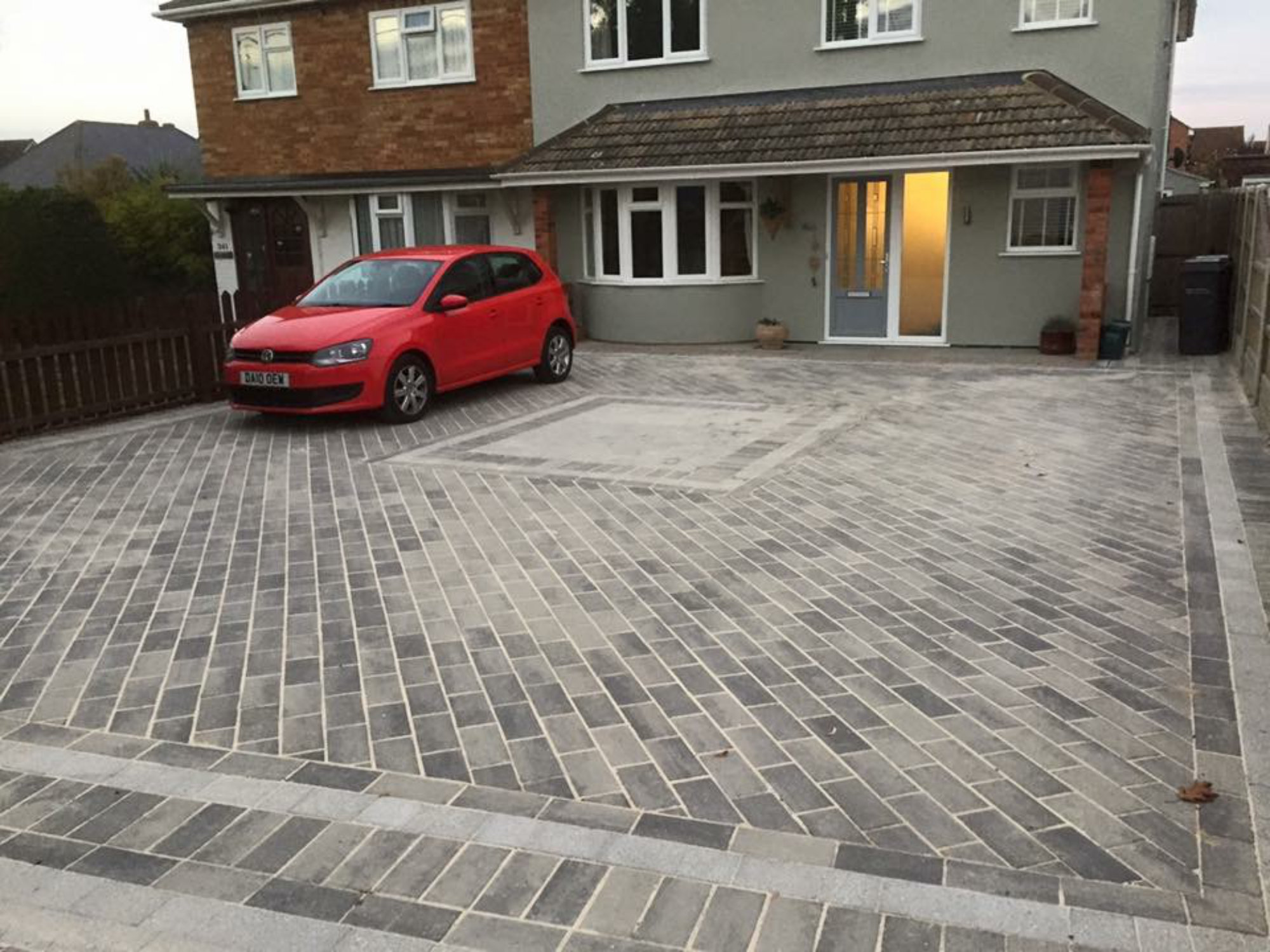
Block paving has been the most popular driveway surface in Essex for more than 25 years, and it’s easy to see why. When installed correctly, it offers a well-balanced combination of durability, repairability, visual appeal, and everyday practicality.

One of its biggest strengths is its ability to move with the ground; unlike rigid surfaces, block paving is flexible, allowing the blocks and bedding layer to absorb the natural shifts of Essex’s clay soil. This reduces the risk of cracking and structural failure.

Another major advantage is how easy it is to repair. If a section sinks or becomes damaged, individual blocks can be lifted and re-laid without replacing the entire driveway, which Essex homeowners appreciate for long-term maintenance.

Block paving also offers one of the widest style ranges available, including traditional blocks, textured finishes, cobbles, granite-style designs, and permeable options — making it suitable for everything from Victorian homes in Colchester to modern builds in Maldon. Its strength under load makes it reliable for households with multiple vehicles, work vans, commercial traffic, or frequent turning.

However, block paving does have weaknesses when poorly installed. Weed growth, often wrongly blamed on the blocks themselves, is usually caused by jointing issues or sand loss. A professional installation using high-quality jointing compounds, proper compaction, and secure edge restraints dramatically reduces this problem. Sinking is another risk — but only with cheap or improperly executed installations. Inadequate sub-base depth, poor compaction, or cutting corners during groundwork are the usual culprits. Essex Elite Paving avoids these issues by using industry-leading MOT Type 1 depths, often exceeding minimum requirements to ensure long-term structural stability.

Overall, block paving is an excellent choice if you want a long-lasting and repairable driveway with either a classic or contemporary look. It handles heavy vehicles with ease, offers good permeability options, and provides a timeless finish that adds genuine value to your home.

2. Porcelain Driveways

Porcelain paving has quickly become one of the most sought-after driveway surfaces across Essex, particularly in high-end areas such as Chigwell, Loughton, Shenfield, and Billericay, where homeowners prioritise a modern, luxury aesthetic. Porcelain driveway slabs are engineered for strength, low porosity, exceptional scratch resistance, and an unmistakably premium appearance. The result is a clean, architectural finish that mirrors the look of top-tier new builds and contemporary homes.

One of the greatest strengths of porcelain is its ultra-low maintenance nature. Because it is almost entirely non-porous, it naturally resists stains, moss, mould, algae, and oil marks. A simple wash is enough to restore it to a near-showroom finish. It also offers excellent slip resistance, with outdoor tiles typically rated R11 or higher, making them safe in rain, frost, ice, and snow — a major advantage during unpredictable Essex winters. In terms of aesthetics, porcelain delivers a sleek, modern look that rivals luxury concrete or natural stone, while maintaining vibrant, fade-resistant colours for decades. Durability is another defining benefit: porcelain stands up exceptionally well to scratches, tyre marks, abrasion, and UV exposure, making it a strong performer under heavy daily traffic.

However, porcelain does have limitations, with the main one being the requirement for specialist installation. It is a precision material that demands correct bonding primers, high-grade mortar, accurate falls, proper expansion joints, and professional cutting equipment. Inexperienced installers can easily cause premature failure. Additionally, porcelain sits at the higher end of the price spectrum for both materials and labour, making it a premium investment compared to alternatives like block paving.

Overall, porcelain is the ideal choice for homeowners seeking a contemporary, luxurious finish with minimal maintenance requirements. It perfectly complements modern architecture and delivers outstanding durability, stain resistance, and long-term visual quality — making it one of the strongest premium driveway solutions available in Essex.

3. Resin-Bound Driveways

Resin driveways have surged in popularity across Essex over the past decade, and they continue to stand out as one of the most visually striking driveway options available. Their modern, seamless appearance appeals to homeowners seeking a clean and contemporary aesthetic, but it’s important to understand both the strengths and limitations of resin before deciding whether it’s the right choice for your property. When installed correctly, resin-bound driveways offer a smooth, joint-free finish, impressive permeability, and a wide range of customisable stone blends. This makes them particularly popular in areas such as Romford, Chelmsford, Basildon, Braintree, and Southend, where kerb appeal and modern styling are in high demand.

One of the most notable advantages of resin driveways is their permeability. A properly installed resin-bound system allows water to drain naturally through the surface, helping homeowners avoid common planning permission issues associated with impermeable driveway materials. Aesthetically, resin driveways excel with an extensive palette of colours — from silvers and browns to golds and quartz blends — creating a premium, elegant appearance that enhances the overall look of any home. The smooth, seamless finish adds to the contemporary feel, offering uniformity without joints, gaps, or pattern lines. Maintenance is also straightforward; a simple pressure wash is enough to keep the surface looking fresh.

However, resin does come with specific weaknesses that homeowners must be aware of. The quality of resin varies significantly, and cheaper, non–UV-stable systems can yellow, discolour, or degrade under sunlight. Essex’s increasingly warm summers also mean resin can soften slightly in extreme heat, though correct depth and installation techniques minimise this risk. Perhaps the most critical factor is the base. Resin is only as durable as the groundwork beneath it. Poor installers may lay the surface too thin, on unstable ground, or without proper preparation, leading to cracks, sinking, and premature failure.

Despite these considerations, resin driveways remain an excellent choice for homeowners who want a beautiful, modern driveway with clean lines, a permeable surface, and flexible design options. When installed by specialists using high-quality, UV-stable resin and a solid base, resin-bound driveways can deliver both stunning aesthetics and long-lasting performance.

5 Common Causes of a Sinking Driveway and How to Fix Them

If you’ve noticed uneven patches, cracks, or dips forming across your driveway, you’re not alone. A sinking driveway is a common problem faced by homeowners — especially in areas with changing weather conditions or older installations. While it might start as a small dip or puddle after rain, over time it can turn into a safety hazard and an eyesore that drags down your home’s kerb appeal.

At Essex Elite Paving, we’ve helped hundreds of clients diagnose and fix sinking driveways across Essex. The good news? Most of the time, the problem can be traced back to a few common causes — and with the right approach, it’s completely repairable. In this post, we’ll explore the five main reasons your driveway might be sinking, what’s happening beneath the surface, and the best ways to fix it for good.

1. Poor Soil Compaction

One of the most frequent causes of a sinking driveway is poor soil compaction. When a driveway is installed, the ground beneath (called the subgrade) needs to be compacted to create a stable base. If this isn’t done correctly — or if it’s skipped entirely — the soil will settle over time, causing the driveway to dip or sink unevenly.

  • Why it happens:
    Many builders underestimate the importance of proper groundwork, especially if they’re rushing a job or trying to cut costs. Soft, loose, or damp soil is particularly vulnerable and can compact naturally under the weight of vehicles, creating those uneven dips.
  • How to fix it:
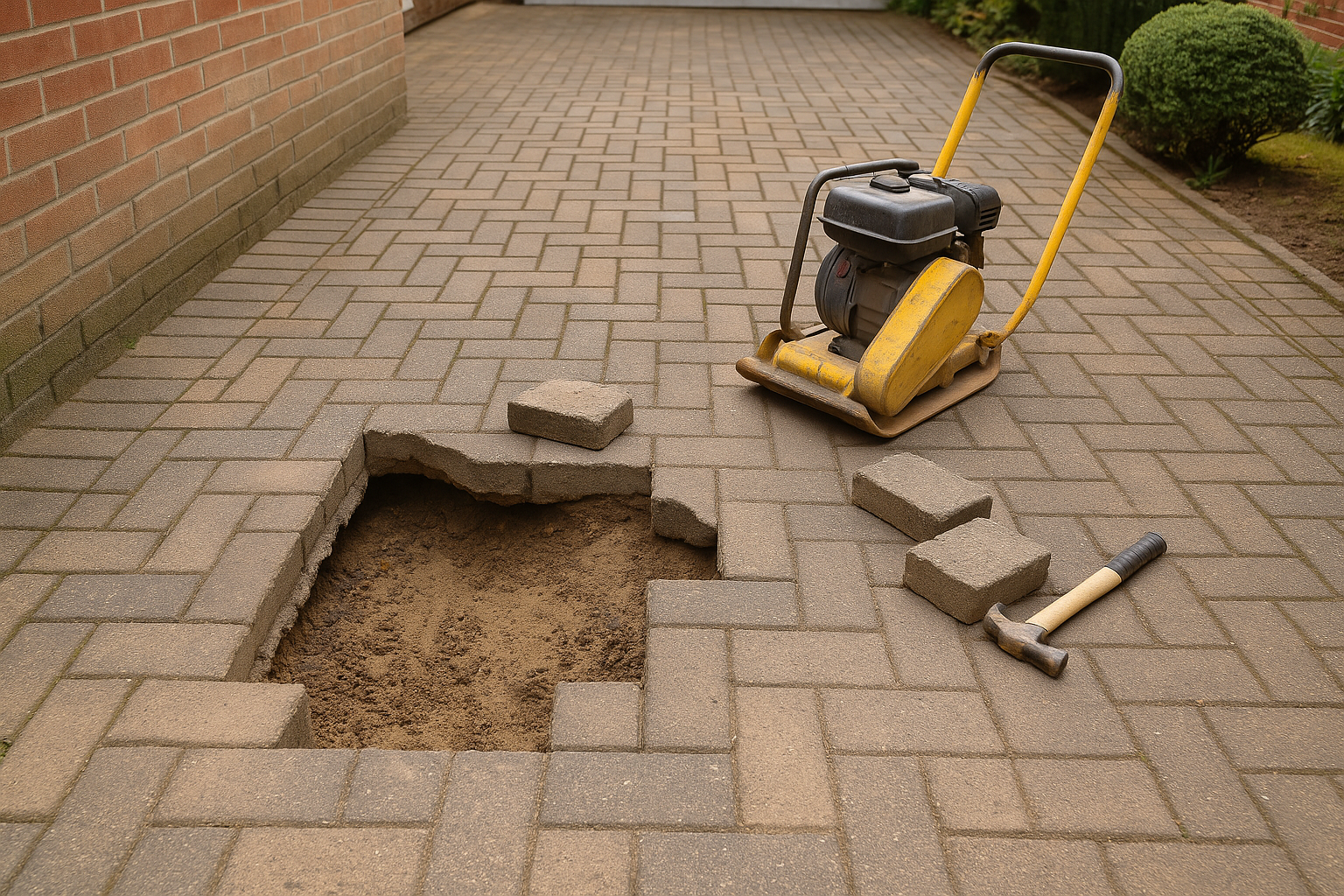
    To correct poor compaction, the affected sections must be excavated down to the sub-base. Once exposed, the area should be filled with high-quality hardcore material and compacted in layers using a mechanical plate compactor or roller. Only once a stable base is achieved should new paving or concrete be installed.

For new driveways, professional installers like Essex Elite Paving always use MOT Type 1 or similar aggregate compacted in stages, ensuring a stable, long-lasting foundation that won’t move under pressure.

2. Drainage Problems

Water is one of the biggest threats to your driveway’s structure. If water isn’t draining correctly, it can seep beneath the surface and slowly wash away the supporting soil, leaving behind hollow voids that cause sinking.

  • Why it happens:
    Over time, blocked gutters, poorly placed downpipes, or a lack of surface drainage can let rainwater pool around the edges of your driveway. In clay soils, this becomes worse because trapped water has nowhere to go — softening the base and increasing the risk of collapse.
  • How to fix it:
    Start by identifying where the water is coming from. Look for signs of pooling or staining after rainfall. Installing French drains, linear channel drains, or soakaways can help redirect water away from the surface.

At Essex Elite Paving, we design every installation with proper falls and gradients — meaning the driveway subtly slopes in the right direction so water naturally runs off instead of seeping below. This is one of the simplest yet most effective ways to prevent erosion and future subsidence.

3. Tree Root Growth

Trees add beauty and shade to your property, but their roots can quietly wreak havoc on your driveway. As roots grow, they push against the soil beneath the surface, displacing compacted ground and lifting or cracking the paving above. On the other hand, when tree roots die or rot, they can leave behind voids that cause the driveway to sink.

  • Why it happens:
    Roots naturally seek out moisture, often travelling far beyond the visible canopy of the tree. If your driveway is close to mature trees, it’s likely that the roots have extended underneath.
  • How to fix it:
    An arborist can assess which roots are causing the problem. The solution might include installing a root barrier to prevent further intrusion, or removing certain roots if it won’t harm the tree. After the area is stabilised, Essex Elite Paving can rebuild the base with reinforced materials that allow for natural ground movement without cracking the surface.

A key tip for homeowners: when designing new driveways near trees, always allow sufficient distance or incorporate a root-safe base system to avoid future disruption.

4. Substandard Construction Materials

Not all paving materials are created equal. Using the wrong materials or cutting corners during installation can lead to early sinking, cracking, or crumbling.

  • Why it happens:
    Cheap aggregates, thin layers of asphalt or concrete, or ungraded sand bases simply can’t withstand the repeated pressure of vehicles and changing weather. Over time, they weaken and compact, allowing the driveway to dip in places.
  • How to fix it:
    The only long-term solution is to rebuild using quality materials that suit the site conditions. For example, block paving, reinforced concrete, and resin-bound surfaces are all excellent options when installed correctly. Essex Elite Paving uses only high-grade aggregates, cement, and bonding agents tailored for Essex’s varied soil and weather conditions. This ensures your driveway stays stable and visually perfect for decades — not just a few years.

5. Heavy Loads and Excessive Traffic

Even a well-built driveway has its limits. If your driveway regularly supports heavy vehicles like vans, lorries, or campervans, or experiences constant traffic, the surface and sub-base can gradually compress.

  • Why it happens:
    Driveways not designed for heavy-duty loads may have thinner surfaces or less dense sub-bases. Repeated stress from heavy use slowly deforms the structure, leading to ruts or sunken patches in areas where wheels consistently pass.
  • How to fix it:
    If heavy traffic is unavoidable, the solution is to reinforce your driveway. This might include thicker paving, steel mesh reinforcement, or upgrading to a more robust surface like reinforced concrete or block paving on a deeper sub-base. Essex Elite Paving also recommends rotating parking positions when possible to spread the load evenly — a simple but effective way to extend your driveway’s lifespan.

When to Call the Experts

While some homeowners attempt DIY repairs, sinking driveways often indicate deeper structural issues that require professional expertise. Temporary patching may mask the problem, but it won’t stop further sinking if the root cause isn’t addressed.

At Essex Elite Paving, we don’t just resurface — we rebuild from the ground up where needed. Our team performs detailed site inspections, assessing soil condition, drainage, and sub-base integrity before recommending tailored solutions. This ensures long-term results rather than quick fixes.

Conclusion

A sinking driveway might start small, but ignoring it will only make the damage worse. Whether caused by poor soil compaction, drainage issues, tree roots, or substandard materials, every sinking driveway has a solution — and it starts with proper diagnosis and expert repair.

By working with Essex Elite Paving, you’ll gain more than just a beautiful driveway; you’ll have a structure built to last, designed to handle real-world conditions and daily use.

Don’t wait until those dips turn into costly cracks or puddles.

📞 Contact Essex Elite Paving today to schedule your free driveway inspection. Our team will assess your surface, identify the problem, and provide a detailed, no-obligation quote to restore your driveway’s strength and style.

How to Build a Wheelchair-Friendly Driveway or Patio

Creating an accessible outdoor space is about more than just convenience — it’s about independence, safety, and dignity. For homeowners with mobility challenges, a well-designed driveway or patio can transform daily routines, making it easier to move freely, welcome guests, and enjoy the outdoors. At Essex Elite Paving, we understand that accessibility doesn’t have to compromise style. Every detail, from the gradient of your path to the texture of your paving, is designed with care to blend comfort and beauty seamlessly. An accessible home is not only practical but also future-proof, ensuring comfort for years to come.

Key Features of a Disabled-Access Driveway and Patio

The best accessible driveways and patios combine thoughtful design with smart engineering. The foundation lies in smooth, non-slip surfaces that offer traction in all weather conditions. Gentle slopes allow safe movement while preventing strain, and wide pathways make it easy for wheelchairs or walkers to pass through comfortably. Proper drainage is equally crucial — standing water or uneven surfaces can be a major hazard. At Essex Elite Paving, we pay close attention to fall direction, ensuring rainwater drains away smoothly while keeping the area dry and safe. Together, these features create an outdoor space that’s both functional and inviting.

Materials and Techniques Used by Essex Elite Paving

The right materials make all the difference when it comes to accessibility. Our team uses high-quality, durable, and slip-resistant paving options, such as textured concrete, tactile pavers, and permeable stones that reduce water buildup. For homeowners who want a more natural look, we can also incorporate resin-bound aggregates, which provide a smooth yet firm surface perfect for wheelchairs and rollators. Every project is installed with precision, meeting modern standards while maintaining a refined aesthetic. We also ensure each transition — from driveway to path to doorway — is level and comfortable, avoiding harsh edges that could make access difficult.

Customising Your Driveway and Patio for Accessibility

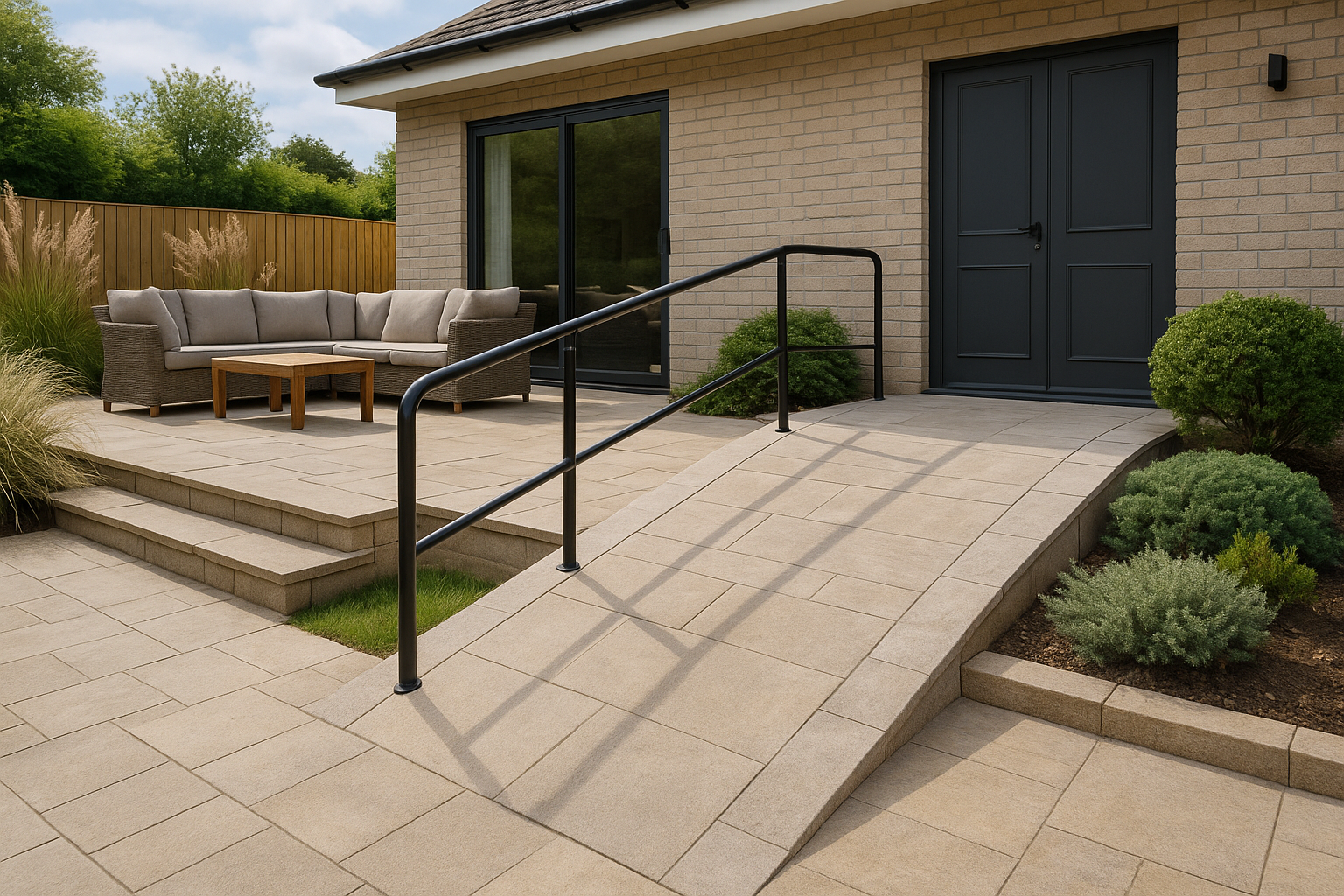
Every property is unique, and so are your needs. That’s why Essex Elite Paving offers bespoke design services to tailor your space for both accessibility and style. Whether you need ramps, handrails, rest landings, or step-free thresholds, we’ll create a layout that flows naturally with your home. We also balance practicality with aesthetics — ensuring your accessible features complement the architecture and materials of your property. From lighting for evening visibility to planting schemes that frame the space without encroaching on paths, we design for comfort, safety, and visual harmony.

Compliance with Disability Access Standards and Regulations

Accessibility is not just about good design — it’s also about meeting the right standards. At Essex Elite Paving, our installations comply with the latest UK accessibility guidelines, including principles inspired by Approved Document M and BS 8300. These regulations outline the ideal gradients, widths, and materials to make outdoor environments safe and usable for everyone. Our experienced team ensures every aspect — from slope angle to paving selection — meets or exceeds these recommendations. This attention to compliance guarantees peace of mind, knowing that your project is both safe and professionally executed.

Benefits of Choosing Essex Elite Paving for Your Project

With years of experience designing and installing driveways and patios across Essex, our reputation is built on craftsmanship, reliability, and care. We combine technical knowledge with a genuine passion for creating beautiful, inclusive outdoor spaces. Our clients trust us because we listen carefully, plan thoughtfully, and deliver results that balance accessibility with visual appeal. Whether you’re upgrading an existing surface or starting from scratch, we’ll manage the entire process — from design and material selection to final installation — ensuring the finished product not only meets regulations but enhances your everyday life.

Conclusion: Creating Safe and Accessible Outdoor Spaces for Everyone

An accessible driveway or patio is an investment in both your comfort and your home’s future. It opens up your outdoor space for everyone — from wheelchair users to families with pushchairs, to visitors who simply appreciate a smoother, safer walkway. With Essex Elite Paving, you don’t have to choose between function and beauty. Our skilled team combines elegant design with accessibility expertise to deliver outdoor spaces that are practical, durable, and effortlessly stylish.

If you’re ready to transform your home with a safe and inclusive outdoor design, contact Essex Elite Paving today to discuss your project.

👉 Book Your Free Consultation